
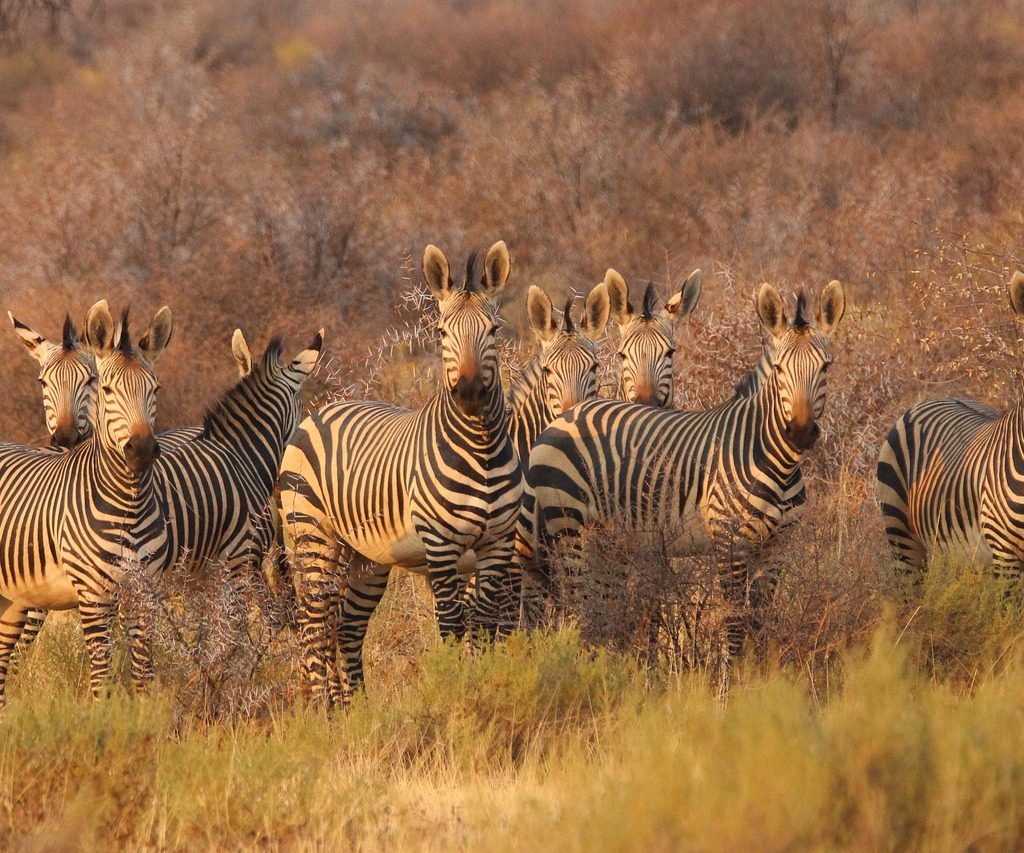
Namibia is a country where huge open spaces, dramatic landscapes and incredible wildlife come together. It is one of the least densely populated countries in the world, so long stretches of road can pass through desert, mountains and remote landscapes with very few buildings around.
The country is especially appealing to anyone who enjoys nature, wildlife, outdoor adventures and unusual places. Its landscapes change dramatically from the red dunes of the Namib Desert to the Atlantic coastline, while national parks provide opportunities to see elephants, lions, giraffes, rhinos and other wildlife.
There is also plenty to discover beyond the famous safari experiences. Namibia has historic ghost towns, ancient rock formations, coastal seal colonies and some of the best stargazing conditions in the world.
For anyone planning a trip, these are 10 of the best things to do in Namibia.
1. Climb the Red Dunes of Sossusvlei
Sossusvlei is one of Namibia’s most recognisable landscapes. Located inside the Namib-Naukluft National Park, the area is famous for its enormous red sand dunes surrounding a dry salt and clay pan.
The dunes are among the tallest in the world, creating a landscape that looks completely different depending on the time of day. Early morning light brings out the deep red and orange tones of the sand, while the long shadows created by the dunes make the landscape especially striking.
One of the most popular activities is climbing the dunes. Dune 45 is particularly well known because it is easily accessible from the park entrance and can be climbed for wide views across the surrounding desert.
The climb can be physically demanding because of the loose sand and steep sections. Starting early is therefore a good idea, especially during warmer months.
Explore the strange landscape of Deadvlei
A trip to Sossusvlei is not complete without seeing nearby Deadvlei. The white clay pan is surrounded by tall red dunes and contains the dark remains of ancient camel thorn trees.
The trees have been dead for hundreds of years, but the extremely dry conditions have slowed their decomposition. Their dark shapes against the pale ground and red dunes create one of Namibia’s most unusual landscapes.
Deadvlei is reached from the Sossusvlei area and involves walking across sandy terrain. The heat can become intense, so carrying enough drinking water, wearing suitable footwear and going early in the day can make the experience more comfortable.
See the canyon at Sesriem
The same area also provides access to Sesriem Canyon, a natural gorge formed through erosion over a very long period. Unlike the enormous open landscape around the dunes, the canyon offers a more enclosed setting with layered rock walls.
Together, Sossusvlei, Deadvlei and Sesriem Canyon make this one of the most rewarding areas to explore in Namibia.
2. Explore Swakopmund
Swakopmund offers a completely different side of Namibia. The coastal town sits between the Atlantic Ocean and the Namib Desert and has a noticeable German architectural influence.
Its streets, historic buildings, beachfront and relaxed atmosphere make it a good place to slow down after spending time in the desert.
However, Swakopmund is not only about sightseeing. It is one of Namibia’s major centres for outdoor adventure.
Swakopmund also offers several adrenaline-filled activities, including quad biking, sandboarding and skydiving. The surrounding dunes provide a natural setting for adventure, while the coastline adds another dimension to the experience.
Anyone planning outdoor activities should prepare for strong sunlight and changing coastal conditions. Water, sunscreen, a hat and comfortable clothing are useful items to have throughout the day.
3. Watch Thousands of Seals at Cape Cross
Cape Cross Seal Reserve is one of the most remarkable wildlife stops along Namibia’s Atlantic coast.
The reserve is famous for its large population of Cape fur seals. During the breeding season, the number of seals can rise dramatically, creating a busy colony along the shoreline.
The experience is very different from a traditional safari. Instead of watching a few animals from a distance, the coastline can be filled with seals resting, swimming, feeding and interacting with one another.
There is also a strong smell around the colony, especially when large numbers of seals gather in the area. It is part of the experience and something to be prepared for.
Cape Cross is located along the Skeleton Coast, making it easy to combine the seal colony with a broader coastal road trip.
4. Follow the Mysterious Skeleton Coast
Skeleton Coast National Park is one of Namibia’s most remote and dramatic landscapes.
The coastline became known as the Skeleton Coast because of the many shipwrecks and animal remains historically found along its shores. Thick coastal fog, strong currents, rough seas and the harsh desert environment made this stretch of coastline extremely difficult for ships and sailors.
Today, parts of the coast remain difficult to reach, which has helped preserve its wild character.
Some shipwrecks can still be seen along accessible sections of the coastline. The rusting remains of abandoned vessels provide an unusual contrast against the sand, ocean and desert.
The journey itself is part of the attraction. Long stretches of empty coastline, dunes, rocky terrain and coastal fog create a landscape unlike many other places in Africa.
Because some areas are remote and access can be restricted, travellers should check current road conditions, park requirements and access rules before planning a Skeleton Coast trip.
5. Sleep Beneath the Stars at Spitzkoppe
Spitzkoppe is a dramatic group of granite mountains in the Namibian desert. Its highest peak rises sharply above the surrounding landscape, earning the area the nickname “Matterhorn of Africa.”
The mountains are hundreds of millions of years old and are surrounded by enormous granite boulders, natural arches and unusual rock formations.
Spitzkoppe is particularly popular with hikers, photographers and anyone interested in Namibia’s night skies.
Camping in the area can provide a much closer connection to the landscape. With little artificial light around, the night sky can become one of the main attractions.
The rocks also become especially striking around sunset when the changing light creates strong colours and shadows across the granite.
Anyone exploring the area should remain aware of their surroundings. The landscape is large and open, and it can be easy to lose direction, particularly after dark. Carrying navigation equipment and keeping track of the campsite location is sensible.
6. Go on Safari at Etosha National Park
Etosha National Park is one of the most important wildlife destinations in Namibia.
The park is built around the enormous Etosha Pan, a vast salt-covered depression that dominates much of the landscape. Its name is commonly translated as “Great White Place,” referring to the pale appearance of the salt pan.
The open terrain makes it easier to spot wildlife in many parts of the park. During dry seasons, animals often gather around waterholes, creating excellent opportunities for game viewing.
Depending on the area and season, sightings may include elephants, giraffes, zebras, springboks, jackals, lions and rhinos.
One of the advantages of Etosha is that it can be explored on a guided safari or, in suitable areas, through a self-drive experience. The open landscape means a careful drive around waterholes can sometimes produce several wildlife sightings in a single outing.
Some camps also have illuminated waterholes where animals may be seen after dark. This provides a different experience from daytime game drives.
Anyone planning a self-drive safari should remember that Etosha is still a wild environment. Animals should never be approached or fed, and it is important to follow park rules about where vehicles can stop and when it is safe to leave them.
7. Step Into the Abandoned World of Kolmanskop
Kolmanskop is one of Namibia’s most fascinating historical sites.
Today, the former diamond-mining settlement appears to be disappearing beneath the desert. Sand has entered many of the abandoned buildings, filling rooms that were once homes, shops and workplaces.
The town developed after diamonds were discovered in the area in the early 20th century. The discovery created a thriving mining settlement, but as diamond resources declined, the community gradually disappeared.
What remains is a collection of abandoned buildings surrounded by desert.
Walking through Kolmanskop gives an unusual look at how quickly a once-successful settlement can be transformed by changing economic conditions and the power of nature.
The site is located close to Lüderitz, making the coastal town a practical base for exploring the area.
Guided tours can provide historical information about the diamond rush, the people who lived there and the eventual decline of the settlement. There is also usually time to explore designated areas independently and photograph the sand-filled interiors.
8. Stand Above the Vast Fish River Canyon
Fish River Canyon is one of the largest canyon systems in the world and the largest in Africa.
The canyon stretches for roughly 160 kilometres and contains enormous cliffs, rocky valleys and winding sections carved by the Fish River over millions of years.
The scale becomes much easier to appreciate from the viewpoints along the canyon rim. From above, the landscape appears to continue almost endlessly into the distance.
Sunrise and sunset are particularly good times to take in the scenery because the changing light creates stronger shadows across the canyon walls.
For experienced hikers, the canyon also offers a much more demanding adventure. The multi-day Fish River Canyon hike is physically challenging and requires advance planning, preparation and suitable conditions.
The hiking route is not a casual walk. Temperatures inside the canyon can become extremely high, and access is controlled during certain periods because of the heat. Anyone interested in completing the full hike should check current regulations, dates, permits and fitness requirements well before the trip.
For those who prefer a less demanding experience, the viewpoints along the rim provide spectacular scenery without committing to a multi-day trek.
9. Wander Through the Giant’s Playground
Giants Playground is a natural rock formation area near Keetmanshoop where enormous dolerite rocks appear to have been stacked on top of one another.
The formations were created by geological processes and shaped over time by weathering and erosion. The result is a maze-like landscape of large rocks arranged in strange and unexpected formations.
Walking through the area is a simple way to experience Namibia’s geological side without needing a demanding hike.
The name comes from the appearance of the rocks, which can look as though they were deliberately piled up by giants.
The site is also interesting for families because the rock formations create plenty of small areas to explore. However, care should be taken when climbing or walking between the rocks, and it is wise to keep track of the route because the formations can make navigation confusing.
10. Stop at Solitaire and Experience Namibia’s Desert Road Life
Solitaire is a tiny desert settlement that has become a memorable stopping point for people travelling between Sossusvlei and the central coast.
It is not a major attraction in the traditional sense. Instead, its charm comes from its unusual setting and its role as a rest stop in a vast and remote landscape.
The settlement has historically been associated with a petrol station, small shops, accommodation and a bakery. Old vehicles and other pieces of machinery placed around the area add to its distinctive appearance.
For someone driving through this part of Namibia, Solitaire provides an opportunity to refuel, take a break, grab something to eat and experience one of the country’s small desert communities.
The stop is especially useful because journeys through Namibia can involve long distances between towns and services. A place like Solitaire therefore becomes more than just a photo stop; it can be a practical break during a road trip.
More Experiences Worth Adding to a Namibia Trip
The 10 attractions above cover some of Namibia’s most distinctive landscapes and experiences, but the country has even more to offer.
See the Tropic of Capricorn
The Tropic of Capricorn crosses Namibia, and there is a roadside sign marking the approximate location. It has become a popular place to stop briefly for a photograph while travelling through the desert.
There is no major attraction surrounding the sign, but it provides a fun geographical landmark to include on a road trip.
Kayak Along the Orange River
The Orange River forms part of the border between Namibia and South Africa. Its green riverbanks create a surprising contrast with the dry desert landscapes around it.
Kayaking or rafting along the river allows the surrounding scenery to be experienced from the water. Depending on the operator and season, trips can range from short outings to multi-day adventures.
Track Big Cats at Okonjima
Okonjima Nature Reserve is known for its wildlife conservation work, particularly through the AfriCat Foundation.
The reserve provides opportunities to learn about Namibia’s carnivores, including cheetahs and leopards, while also learning about conservation efforts aimed at protecting these animals.
It can be a worthwhile addition for anyone interested in wildlife beyond the traditional national park safari.
When Is the Best Time to Visit Namibia?
The best time for a Namibia trip depends on what the trip is mainly focused on.
For wildlife viewing, the dry months can be particularly rewarding because animals are more likely to gather around reliable water sources. This can make spotting wildlife easier, especially in Etosha National Park.
For hiking and outdoor activities, temperatures are an important consideration. Desert areas can become extremely hot, while mornings and nights can be surprisingly cold.
Anyone planning activities such as the Fish River Canyon hike should pay close attention to seasonal restrictions and official safety requirements.
For Sossusvlei and Deadvlei, early morning is generally a good time to explore because temperatures are lower and the light creates strong contrasts across the dunes.
How to Plan a Namibia Adventure
Namibia is not the type of destination where every attraction can be reached within a short drive. Distances between major locations can be considerable, and some attractions are located in remote areas.
A road trip is therefore a popular way to explore the country, particularly for people who want to combine several destinations.
Planning should include:
- Checking distances between destinations before setting out
- Allowing extra time for long drives
- Carrying enough drinking water for remote areas
- Refuelling whenever an opportunity is available
- Checking road and weather conditions
- Booking accommodation in remote areas ahead of time
- Following national park and conservation rules
- Carrying suitable clothing for both hot days and cold mornings
- Starting desert activities early when temperatures are lower
- Checking current entrance fees, opening hours and permit requirements before visiting
Namibia rewards travellers who take their time. Its greatest attraction is not just one particular landmark, but the variety of landscapes experienced along the way—from enormous desert dunes and ancient mountains to wildlife-filled waterholes and a rugged Atlantic coastline.
For anyone looking for a destination that combines nature, wildlife, history and adventure without the feel of a crowded holiday destination, Namibia offers plenty of places to explore.